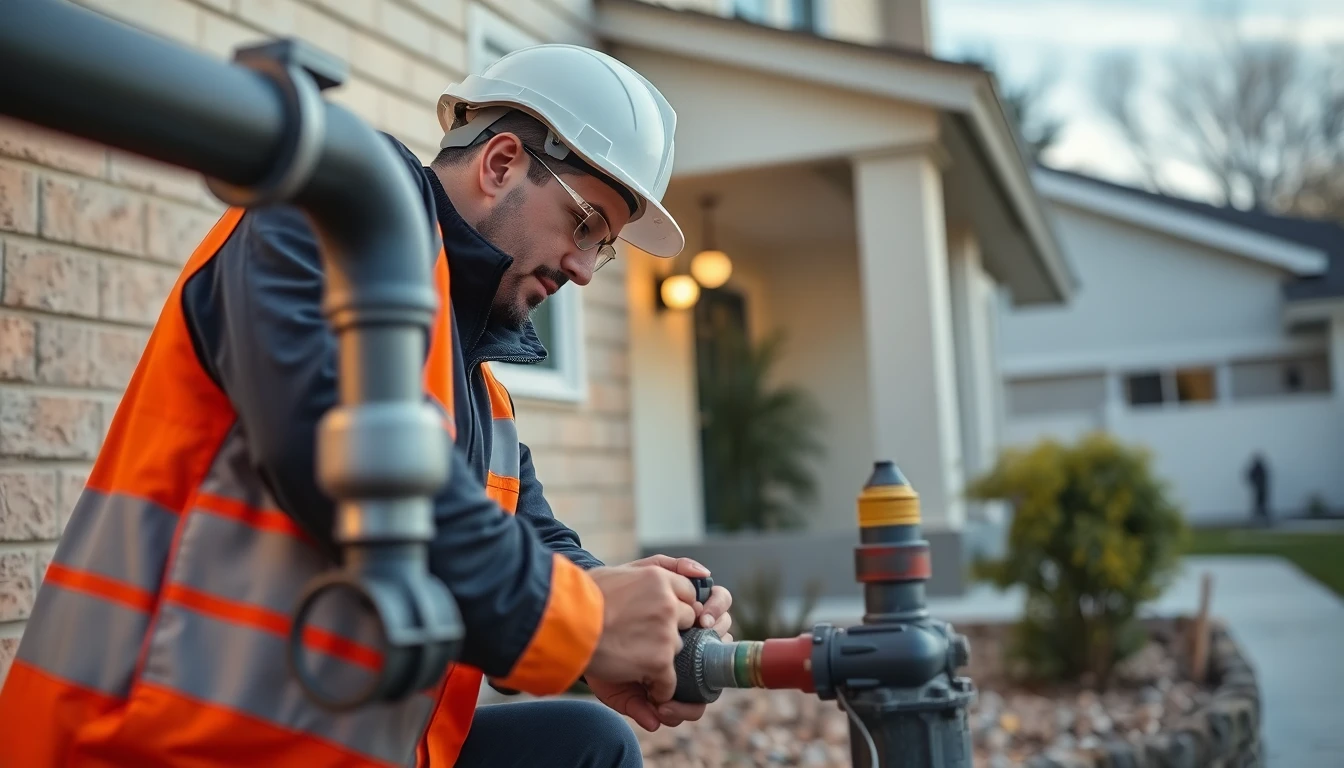
Gas line repair
As the leading provider in San Diego, our industry-leading team delivers thorough and reliable gas line repair solutions. With decades of expertise, we ensure safety and efficiency, providing fast estimates and satisfaction guaranteed for every project. Trust the premier choice for superior plumbing services.
About Gas line repair
As the leading provider in San Diego, our industry-leading team delivers thorough and reliable gas line repair solutions. With decades of expertise, we ensure safety and efficiency, providing fast estimates and satisfaction guaranteed for every project. Trust the premier choice for superior plumbing services.
Plumbing Service San Diego provides professional Gas line repair services for both residential and commercial properties. Our licensed specialists are experts in all aspects of Gas line repair, ensuring quality work and customer satisfaction on every job.
Signs You Need Gas line repair
- Unusual smell of gas around the property, even when appliances are off.
- Hissing sounds near gas lines or appliances, indicating a possible leak.
- Damp or discolored areas on walls or floors near gas lines.
- A sudden drop in gas pressure or inconsistent appliance performance.
- Sizzling or popping noises from gas pipes or fittings.
- An unexplained increase in your gas bill without increased usage.
Benefits of Our Gas line repair Service
- Our expert team ensures your gas lines are repaired safely and efficiently for peace of mind.
- Fast estimates allow you to plan repairs promptly, reducing potential hazards.
- Thorough diagnostics help us identify all issues to prevent future problems.
- We use industry-leading tools for precise repairs that meet the highest safety standards.
- Customer satisfaction is our priority, with reliable service you can trust.
- Choosing us means partnering with a company dedicated to safety and quality.
Why Choose Plumbing Service San Diego for Gas line repair?
Frequently Asked Questions
How do I know if my gas line needs repair?
Service Categories
Need Gas line repair?
Speak with an expert now!
24/7 Emergency
We're always here for you
Satisfaction Guaranteed
100% happy customers
Ready for Professional Gas line repair?
Contact Plumbing Service San Diego today for fast, reliable Gas line repair services.
Thorough Inspection and Leak Detection Methods
Gas line repair begins with a detailed inspection to identify leaks or weaknesses. Technicians use electronic gas detectors and pressure testing equipment to pinpoint issues that are invisible to the naked eye. This ensures no problem is overlooked during the repair process.
Visual inspections include checking pipe fittings, joints, and connections for corrosion, cracks, or signs of wear. Detecting leaks early prevents dangerous gas buildup and maintains system efficiency, protecting both property and occupants.
Common Gas Line Materials and Their Characteristics
Gas lines typically consist of steel, copper, or polyethylene pipes, each with specific advantages and vulnerabilities. Steel pipes are durable but susceptible to corrosion over time, while copper offers corrosion resistance but can be prone to damage from external forces.
Polyethylene pipes are flexible and resistant to corrosion but require proper installation to avoid kinks or punctures. Understanding these materials helps tailor repairs to the specific type of piping present, ensuring long-lasting results.
Typical Causes and Signs of Gas Line Failure
Gas line failures often result from corrosion, physical damage, ground shifting, or improper installation. Aging pipes can develop cracks or leaks that compromise safety and efficiency. Environmental factors like moisture and soil conditions accelerate deterioration.
Signs of failure include unusual gas odors, hissing sounds, damp spots near pipes, inconsistent appliance performance, and unexplained increases in gas bills. Recognizing these indicators early helps prevent emergencies and costly repairs.
Signs You Need Repair
- Unusual gas smell near property
- Hissing noises near appliances
- Damp or discolored wall areas
- Sudden drop in gas pressure
Gas Line Repair Process and Safety Measures
The repair process involves shutting off the gas supply, removing damaged sections, and installing new piping or fittings. Technicians use specialized equipment to ensure joints are secure and leak-free before restoring service safely.
Strict adherence to safety protocols is essential throughout the repair. Technicians wear protective gear and follow industry standards to prevent accidents. Pressure tests and leak detection confirm the repair’s success before completion.
Repair Benefits Overview
- Safe and efficient repairs
- Fast and accurate estimates
- Thorough diagnostics performed
- Reliable and trusted service
Aftercare and When to Consider Replacement
After repairs, regular inspections and maintenance help maintain gas line integrity and prevent future leaks. Homeowners should monitor for any recurring signs of failure and schedule professional checkups periodically.
Replacement becomes necessary when damage is extensive, pipes are severely corroded, or repairs are no longer cost-effective. Upgrading to modern materials during replacement can improve durability and safety for years to come.
How the work runs
-
Initial Inspection
Our technicians begin with a thorough inspection using advanced detection tools to locate leaks and assess pipe condition accurately before any repair work starts.
-
Repair Execution
We carefully shut off the gas supply, remove damaged sections, and replace or repair piping using industry-standard materials and techniques for lasting results.
-
Safety Verification
Post-repair, we conduct pressure tests and leak detection to ensure the system is secure and safe before restoring gas flow and completing the job.
Frequently Asked Questions
How do I know if my gas line has a leak?
Common indicators of a gas line leak include an unusual sulfur-like smell near your home, hissing sounds near gas lines or appliances, damp or discolored areas on walls or floors, and inconsistent appliance performance. If you notice any of these signs, contact a professional immediately.
Can small gas leaks be repaired without replacing the entire line?
Yes, many small leaks can be repaired by replacing or sealing the affected section of pipe. However, extensive damage or corrosion may require full line replacement to ensure safety and system integrity.
What materials are used for gas line repairs?
Gas line repairs typically use steel, copper, or polyethylene pipes. The choice depends on the original piping material, location, and specific repair needs to guarantee compatibility and long-term durability.
Is it safe to smell gas around my home?
No, smelling gas is a serious safety concern and can indicate a leak. You should immediately leave the area, avoid using electrical switches or open flames, and contact a licensed professional for inspection and repair.
How long does a typical gas line repair take?
Repair duration depends on the extent of damage and complexity of the system. Minor repairs can often be completed within a few hours, whereas extensive repairs or replacements may require additional time for safety testing.
What maintenance is needed after gas line repair?
Regular inspections and prompt attention to any signs of leaks or damage are essential. Periodic professional assessments help maintain safety and functionality of your gas lines post-repair.
When should gas lines be replaced instead of repaired?
Gas lines should be replaced when damage is widespread, corrosion is severe, or multiple repairs have been made. Replacement ensures long-term safety and may involve upgrading to more durable materials.
Are gas line repairs disruptive to daily life?
Gas line repairs require shutting off the gas supply temporarily, which may affect appliance use during the repair. Technicians work efficiently to minimize disruption and restore service promptly.
Helpful Resources
Independent guidance on Gas line repair standards, safety and efficiency.